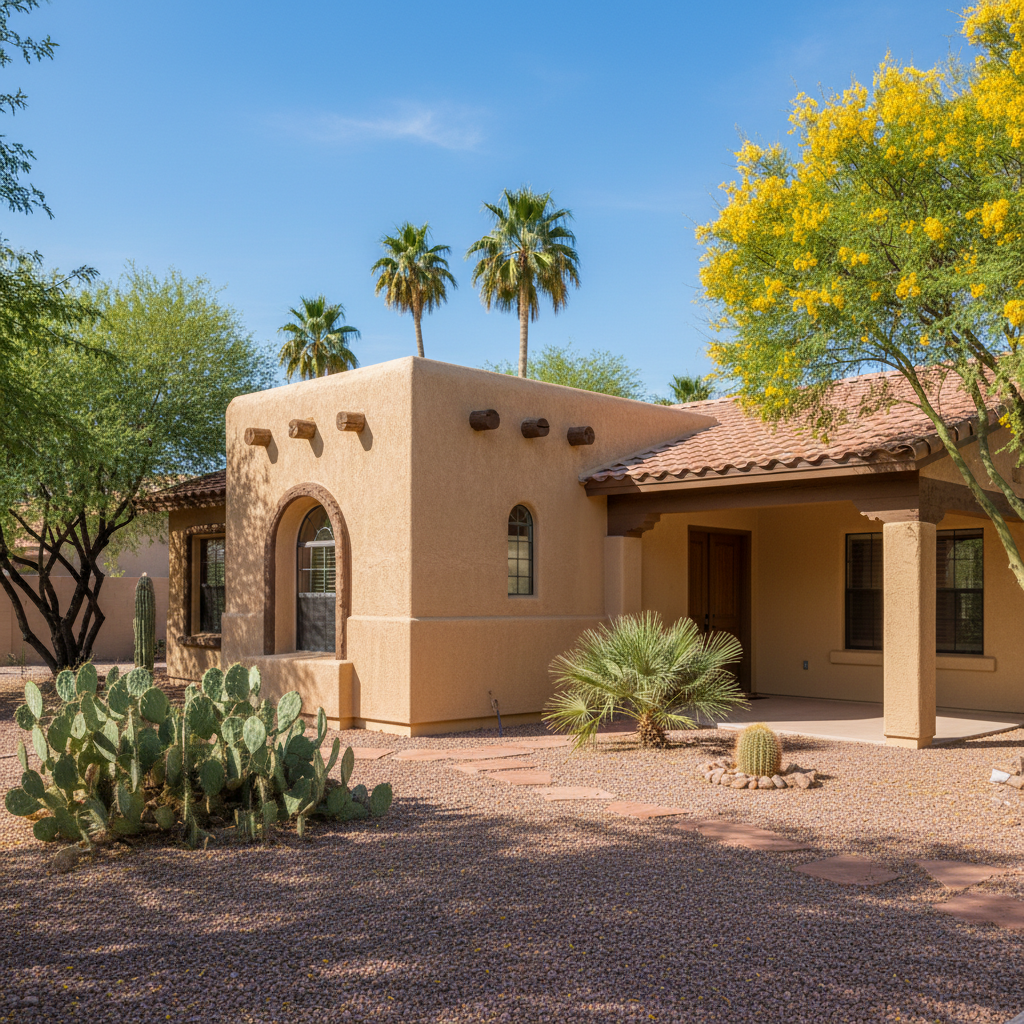
When to Schedule Your Stucco Project in Chandler
Alright, let's talk about putting up stucco here in Chandler. You might think any time works, but when you live somewhere with summers that hit 115°F, you quickly figure out that timing is everything. For stucco, the best time to get it done is usually late spring to early summer, or maybe early fall.
Why then? Well, stucco needs to cure right, and that's a chemical process really sensitive to temperature and moisture. Ideally, you want temperatures between 50°F and 85°F. This lets the material set and harden just so, cutting down on cracks and other problems later on.
We're talking about a multi-layered system here – a scratch coat, a brown coat, and then the finish coat. Each one needs its own time to dry and cure. Trying to rush it, especially when it's super hot, can really mess things up.
Weather Conditions That Affect Stucco Work
Our Chandler weather throws some real curveballs at stucco. You've got to think about a few things:
- Extreme Heat: This is the big one, no doubt about it. Summer temperatures regularly shoot past 115°F here, especially from June through August. This intense heat can dry stucco way too fast, leading to surface cracking and faded color. Stucco needs to be moist-cured, sometimes for 28 days or even more, especially during our hot, dry summers. If it dries too quickly, it can form a hard shell but stay weak inside, which we call "soft stucco." We often have to mist the stucco multiple times a day for several days to make sure it gets enough water. Sometimes, we even start work at 4:30 AM to beat the heat, focusing on the south side of a house first, then moving to the west, east, and north as the sun moves.
- Low Humidity: Chandler's humidity usually hovers around 15-30%. This low humidity, combined with the heat, really speeds up how fast water evaporates during application. That's why proper misting is so important – it slows that evaporation down.
- Monsoon Season: From July to September, we get those intense but brief monsoon storms. While our yearly rainfall isn't much, these storms bring heavy downpours and strong wind gusts. Wind-driven rain can push water into even tiny cracks, causing hidden damage. Wind also makes moisture evaporate faster from the stucco, which can lead to shrinking and early dry-out issues. We just don't apply stucco during monsoon season or dust storms; it helps avoid problems with adhesion and proper curing.
- UV Radiation: The intense, year-round sun here in the desert breaks down paint pigments and can make stucco color fade, especially on walls facing south and west.
Protecting Your Stucco Investment Year-Round
Once your stucco is on, you're not quite done. You've got to protect that investment, especially with our desert climate. Here's what I recommend:
- Regular Inspections: Walk around your house often, especially after summer or a big monsoon storm. Look for any hairline cracks, discoloration, or crumbling edges. Catching small problems early can stop them from turning into big, expensive headaches.
- Keep it Clean: Dust, dirt, and debris pile up fast here, don't they? A gentle cleaning with a soft-bristled brush and a pH-neutral cleaner, or a low-pressure wash (under 1500 PSI), can keep your stucco looking good. I'd say twice a year is a good goal – maybe in spring to wash off winter grime and again in late fall to get rid of summer dust.
- Seal and Paint: Our intense sun fades stucco finishes pretty quickly, sometimes in just 5-7 years. Using high-quality, UV-resistant paints and sealants is absolutely key. These coatings help protect against fading and keep moisture out. Just make sure any sealant you use is breathable, so it repels water but still lets the walls release humidity.
- Address Cracks Promptly: Even with the best installation, our temperature swings can cause stress cracks. Don't let those just sit there. Fill small cracks with a stucco patching compound. Fixing them early stops water from getting behind the stucco and causing bigger problems.
- Proper Drainage: Make sure your landscaping and sprinklers aren't constantly soaking the base of your stucco. Stucco should never go below the soil line. Water wicking up into the wall can cause mold, termites, and structural rot.
- Consider Shade: Anything that shades your walls, like landscaping, pergolas, or patio covers, can really help protect your stucco from the relentless sun. This can cut down on UV damage and keep the surface cooler.
Here at Alpha Stucco, we've seen everything when it comes to stucco in the Chandler heat. We know what works and what doesn't. Your home's exterior is its first line of defense, and with the right care and a little seasonal smarts, your stucco will stand strong for decades, looking good and protecting your investment.